What is Macular Degeneration?
Age-related macular degeneration (AMD or ARMD) is an eye disease that affects the macula, the part of the retina responsible for sharp central vision. The macula helps you see fine details needed for activities such as reading, driving, recognizing faces, and watching TV. Over time, damage to the light-sensing cells in the macula can cause changes in central vision. Early symptoms of AMD may include blurred vision, difficulty seeing fine details, or straight lines appearing wavy. As the condition progresses, blind spots in the central vision may develop and interfere with everyday activities and independent living.
Types of Macular Degeneration
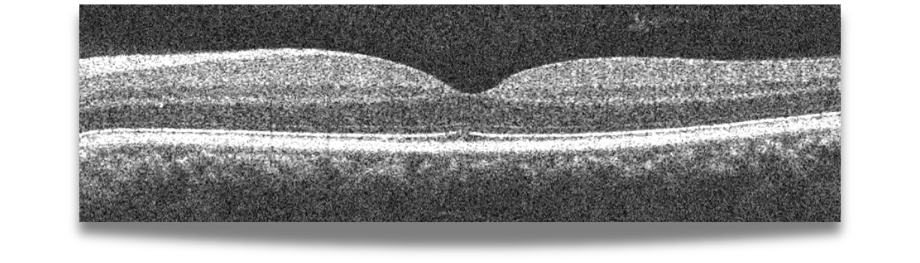
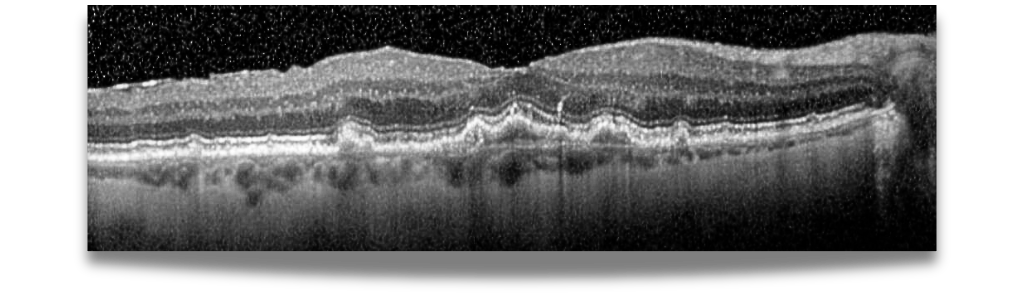
AMD, Dry Stage
This is the most common type, affecting about 85–90% of all AMD cases. Dry AMD develops as the macula thins over time and small yellow deposits, called drusen, build up under the retina. It generally progresses through early, intermediate, and late stages, with early stages frequently showing no noticeable symptoms.
Common Symptoms:
- Difficulty reading or recognizing faces
- Blurry or reduced central vision
- Straight lines appearing wavy, distorted, or missing
- Faded colors or a heightened need for brighter lighting
- Trouble seeing in dim light or adjusting to dark rooms
Risk Factors
- Age: The strongest risk factor, with prevalence increasing after age 50
- Family History: Having a parent or sibling diagnosed with AMD increases the risk by approximately 50%
- Smoking: Actively smoking tobacco or being regularly exposed to tobacco smoke can significantly increase risk and accelerate progression
- Race: Caucasians are at a higher risk of developing AMD
- Gender: Studies suggest women may be more affected, partly due to longer life expectancy
- Obesity: Higher BMI is linked to an increased risk of progression
- Cardiovascular Disease: High blood pressure, high cholesterol, and heart disease increase risk
- Poor Diet: Diets low in omega-3 fatty acids, green leafy vegetables, vitamins, and antioxidants
- Lack of Exercise: Sedentary lifestyles contribute to higher risk
- UV Exposure: Long-term sunlight exposure without proper eye protection
Management and Treatment
While there is no cure for dry AMD, progression can often be delayed and managed through:
- Lifestyle Changes: Quitting smoking, maintaining a healthy diet, exercising regularly, and wearing UV-protected sunglasses
- Vitamins: Research-backed supplements, such as MacuHealth Plus or AREDS2-based formulas, may be recommended by Dr. Pulis for patients showing signs of dry AMD
Dry AMD has the potential to convert into Wet AMD, but this occurs in only about 10–15% of patients with dry AMD. Dry AMD can also continue progressing independently through its own stages without developing into the wet form, which is why annual monitoring during routine eye exams is crucial for detecting early changes.
Learn MORE about MacuHealth here!
AMD, Wet Stage
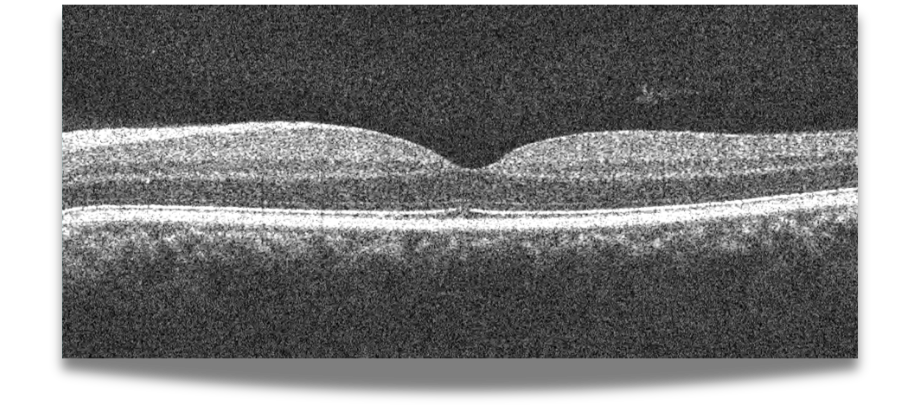
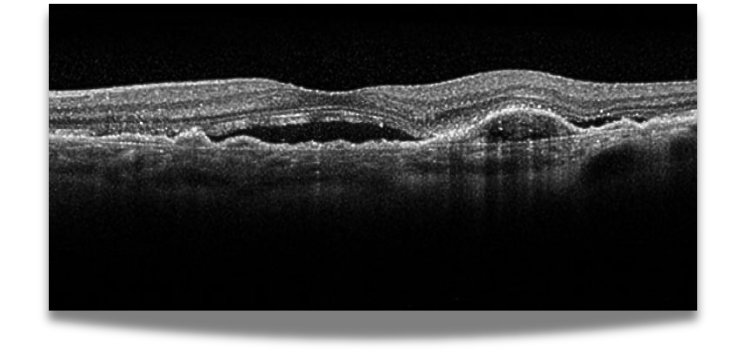
Wet AMD is the advanced stage of the disease and always begins as Dry AMD. Wet AMD is a serious and progressive condition in which abnormal and fragile blood vessels grow beneath the retina, leaking fluid or blood into the macula. This can cause rapid and severe central vision loss. Although Wet AMD cannot be cured, early intervention with medication can slow or stop vision loss and help prevent further damage.
Common Symptoms:
Because Wet AMD can develop suddenly, it is important to seek immediate attention if you experience:
- Distorted vision, such as straight lines or edges appearing wavy or bent
- A blurry, dark, or blank spot in the center of vision
- Rapid worsening of central vision or difficulty recognizing faces and reading fine print
- Colors appearing less bright or vivid than before
Management and Treatment
Treatment for Wet AMD is done by a Retinal Specialist. The primary goal of treatment is to stop leakage and preserve existing vision. The specific type of treatment needed will be determined by the retinal specialist and can include routine medication injections or laser treatment.